A Buyer’s Guide to Natural Latex Mattresses: Materials, Durability, and Comfort
In the realm of luxury sleep surfaces, natural latex stands out for its distinctive blend of resilience, breathability, and long-term comfort. This guide dives into the science behind latex, the practical differences between Dunlop and Talalay processing, and how to discern firmness, temperature regulation, and care practices that ensure a premium latex mattress remains a trusted, durable foundation for restful nights.
Why Natural Latex Has Earned Its Place in Luxury Bedding
Latex mattresses occupy a unique niche in high-end sleep systems. They are celebrated for sculpting support that adapts to body contours without excessive sinking, delivering a balance of buoyant lift and pressure relief. This equilibrium can translate into steadier spinal alignment across sleep positions and less motion transfer for couples. The “natural” qualifier matters: latex used in premium beds is typically derived from rubber trees, processed with methods that aim to preserve chemical safety, environmental responsibility, and durability.
From an editorial standpoint, latex’s appeal goes beyond feel. It intersects with broader wellness narratives: breathable microclimates, hypoallergenic properties, and eco-conscious manufacturing. When readers ask what makes a mattress feel luxurious, latex frequently appears in the answer menu—not as a mere marketing term, but as a material choice with tangible, experiencable benefits.
Material Foundations: What Is Natural Latex?
Natural latex is produced from the sap of rubber trees and is manufactured into either Dunlop or Talalay latex. Each process yields distinct textural and performance traits that influence how a mattress feels and endures over time.
Dunlop latex: Typically denser and more supportive, with a straightforward, straightforward feel that can offer robust contouring without excessive sink. Many sleepers report a stable, grounded sensation that remains consistent over years of use.
Talalay latex: Often lighter and more breathable due to its expanded cell structure. It tends to be plusher at similar firmness levels, delivering a plush, pressure-relieving surface that still maintains resilience.
Practically, the choice between Dunlop and Talalay is less about a universal “best” and more about your weight, sleeping position, and heat preferences. Some premium systems blend both types to create layered configurations that tailor support and temperature regulation to individual needs.
Firmness, Feel, and Personal Preference
One of the enduring questions about latex mattresses concerns firmness. A true luxury latex bed often offers a spectrum of firmness options across its layers so sleepers can fine-tune the surface to their ideal balance of contour and support. A mattress described as “soft” by one brand can feel more medium-soft in another, depending on the layering structure, core density, and cover materials.
Key considerations when evaluating firmness include:
Sleeping position: Side sleepers typically favor a bit more pressure relief around shoulders and hips, while back sleepers seek uniform spinal support.
Body weight: Heavier sleepers may perceive firmer configurations as more supportive, whereas lighter sleepers may appreciate plush top layers without sacrificing alignment.
Temperature and breathability: The cell structure of Talalay latex can contribute to cooler sleeping surfaces, while Dunlop cores can feel more "solid" and heat-retentive for some individuals.
In practice, many luxury latex beds allow for layer-by-layer customization. This modular approach aligns with a broader premium bedding ethos: a surface that can be adapted as comfort preferences evolve or as seasonal changes demand different textures and temperatures.
Temperature Regulation and Breathability
Premature heat buildup is a common complaint with some mattress materials. Natural latex’s inherent permeability—especially in Talalay variants with their airy cell structure—supports airflow and helps dissipate moisture. Additionally, latex cores are often encased in breathable, natural fabric covers (such as organic cotton) that further promote climate control. Wool batting in some latex mattresses can act as a natural moisture manager, drawing humidity away from the body while maintaining a soft, cushioned feel.
When evaluating temperature performance, consider these practical signals:
Layer composition: A latex core with moisture-wicking, breathable top layers tends to stay cooler than dense, non-breathable foams.
Cover materials: Organic cotton, wool blends, and quilted fabrics can influence heat transfer and surface feel.
Sleep environment: Room temperature, bedding choice, and humidity levels interact with mattress design to determine perceived cooling or warmth.
Durability, Longevity, and Care
Durability is a hallmark of latex mattresses, particularly when layered with high-quality organic materials. Natural latex cores resist compression set well, retaining support across years of use. When cared for properly, many premium latex mattresses maintain their integrity with less pronounced sagging than some memory foam constructs.
Care considerations include:
Rotating or flipping: If the design permits, rotating from head to foot can promote even wear, especially in dual-layer configurations.
Ventilation: Regularly airing the bed and ensuring a breathable foundation helps sustain the latex’s performance and the longevity of the cover materials.
Warranties and certifications: Look for certifications that confirm organic sourcing, such as GOLS, and warranty terms that reflect long-term confidence in the product’s durability.
Careful Selection: How to Evaluate a Natural Latex Mattress
Choosing a natural latex mattress requires an assessment that blends science with sensory preference. The following framework helps translate lab-like specs into real-world comfort.
Know the source: Confirm that the latex is certified organic where possible, and verify the processing standard (Dunlop vs. Talalay) to anticipate feel and resilience.
Assess the layering: A layered design that combines different latex densities can deliver a personalized feel across the surface. Determine which side you prefer for initial and long-term comfort.
Test for temperature: If you sleep hot, prioritize breathable cores and moisture-wicking covers; consider wool blends that naturally regulate moisture.
Evaluate edge support and motion: Modular latex setups often maintain stable edge support and exhibit favorable motion isolation due to the resilience of latex cells.
Read the warranty and care guidelines: A long warranty signals a confidence in durability, while clear care instructions reflect a brand’s commitment to maintaining performance over time.
In keeping with a non-brand-biased editorial stance, this framework emphasizes universal criteria that consumers can apply across multiple premium latex mattresses rather than endorsing a single product.
A Product Snapshot: Savvy Rest Serenity Latex Mattress
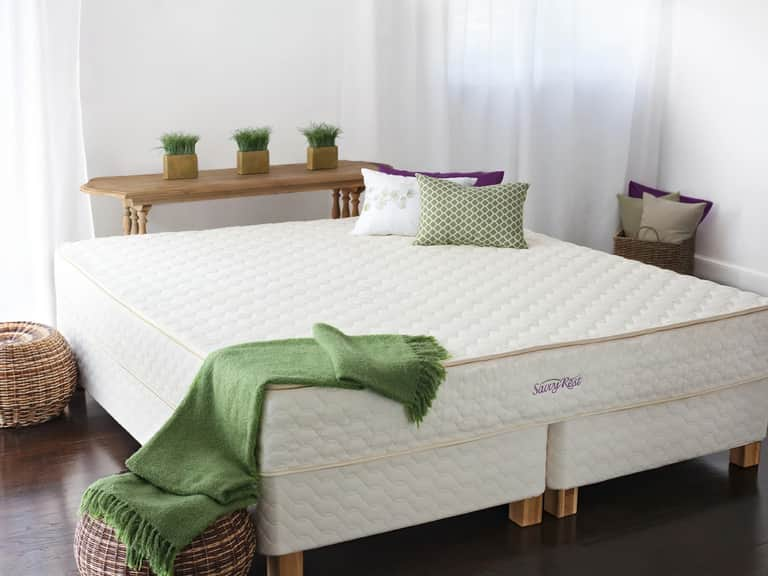
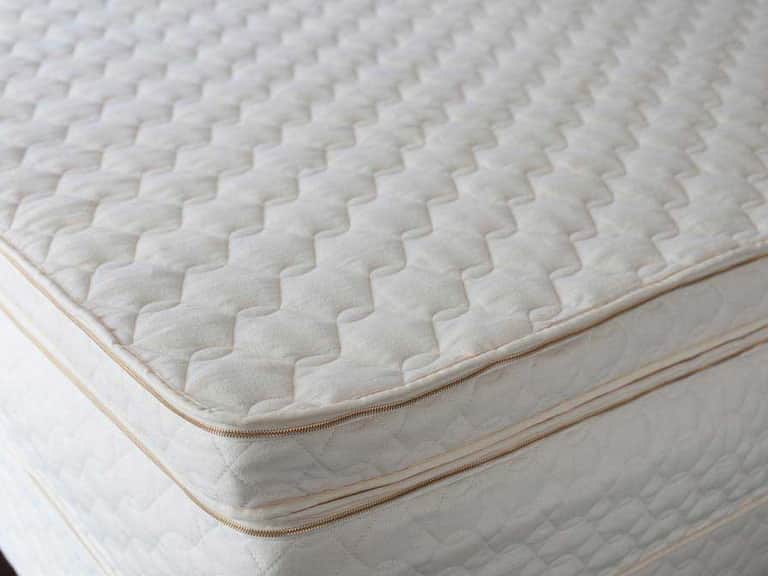
To ground the discussion in a real-world example, consider the Savvy Rest Serenity Latex Mattress. While the purpose here is informational and non-commercial, this product embodies many principles discussed above: a customizable, latex-based design with organic cotton casing and wool quilting for temperature regulation, flame retardancy, and durability. The Serenity’s modular layering—firm, medium, and soft options—illustrates how a premium latex system can be adapted to accommodate diverse sleep preferences and body types. Certifications on Dunlop latex and organic cotton reflect attention to material integrity that many luxury buyers seek.
Readers should note that product specifics can vary by configuration and supplier, and that the goal is to understand how a high-quality latex mattress is constructed and rated for lifespan, rather than to promote a particular model. When evaluating similar systems, compare layer configurations, cover materials, and warranty terms to gauge suitability for your sleep needs.
From Materials to Mattress Care: Practical Tips
To maximize the longevity and comfort of a natural latex mattress, consider the following practical tips rooted in material science and user experience.
Opt for breathable covers and natural fibers to support airflow and moisture management.
Follow manufacturer recommendations for rotation or flipping if applicable to your model.
Keep the sleeping environment cool and ventilated to complement latex’s natural breathability.
Spot-clean fabric covers and avoid harsh chemical cleaners that could degrade fibers over time.
Conclusion: A Thoughtful Choice for Luxury Sleep
Natural latex mattresses, particularly in Dunlop and Talalay varieties, offer a compelling blend of comfort, support, temperature regulation, and durability. For those seeking a premium sleep surface without compromising on environmental considerations or material safety, latex represents a robust pathway. The luxury mattress landscape rewards discernment: consumers who understand layer configurations, processing methods, and care protocols are better equipped to identify a surface that remains consistently comfortable for years to come.
As the sleep science conversation evolves, latex continues to be a material that aligns physical well-being with mindful design. Its capacity to balance buoyant support with contouring relief positions it as a premier option for sleep environments where aesthetics, performance, and longevity converge.
Related Resources and Glossary
To support ongoing learning, readers may consult a glossary of sleep and mattress terminology, as well as guides that contrast latex with alternative premium materials. The goal is to equip you with a solid foundation for informed shopping decisions, even in a landscape crowded with branding and marketing language.
Product Spotlight
Within the scope of this informative article, a notable example that aligns with the discussed attributes is the Savvy Rest Serenity Latex Mattress. It embodies organic materials, modular layering, and a durable organic casing—elements frequently associated with luxury latex systems. For readers seeking a concrete reference point within this editorial context, you can explore details here: Savvy Rest Serenity Latex Mattress.
Experience tailored comfort with Serenity: a 10" organic latex mattress you customize by layer for your perfect support, wrapped in cotton and wool for a cooler, drier sleep. Easy setup, US-made, durable 20-year warranty, ideal for couples and adjustable bases. Call for options.
Experience cloud-soft comfort with pressure-point relief, breathable natural latex, and wool-cotton fabric for a cooler, cleaner sleep—plus long-lasting support with a 20-year Savvy Rest warranty.
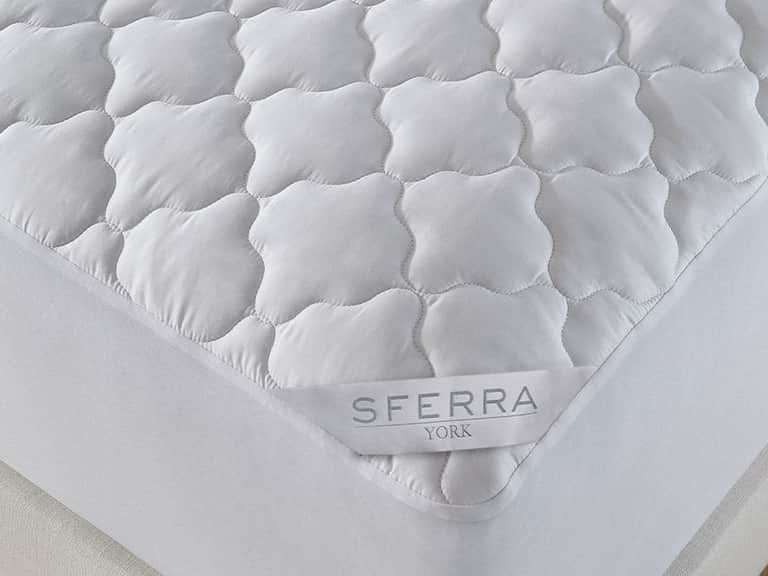
Experience cloud-like loft and balanced support with York—a luxury down-alternative pad that stays fluffy, breathes easy, and feels silky soft on skin for a better night’s sleep.